My series cover a few topics, ecosystems, sanctuaries, species or just photographic approaches, which result in some coherent collections. Since some of the pictures fit into more than one series, you may find a handful of images more than once. And although the series galleries contain lots of photographs which can also be found in my main galleries, you will also discover numerous pictures, you won’t find anywhere else on this website. Hope you enjoy.
Treentimacy
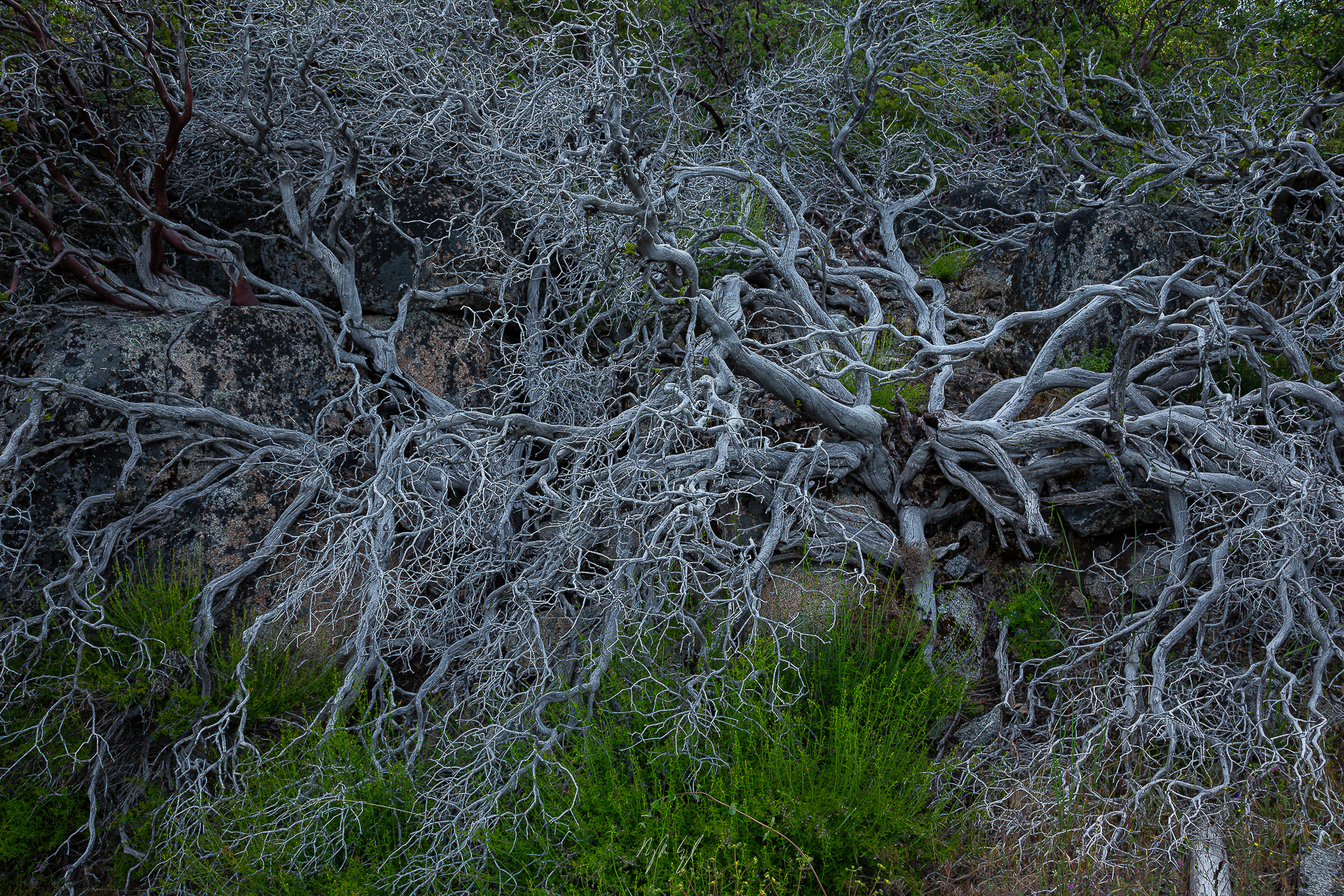
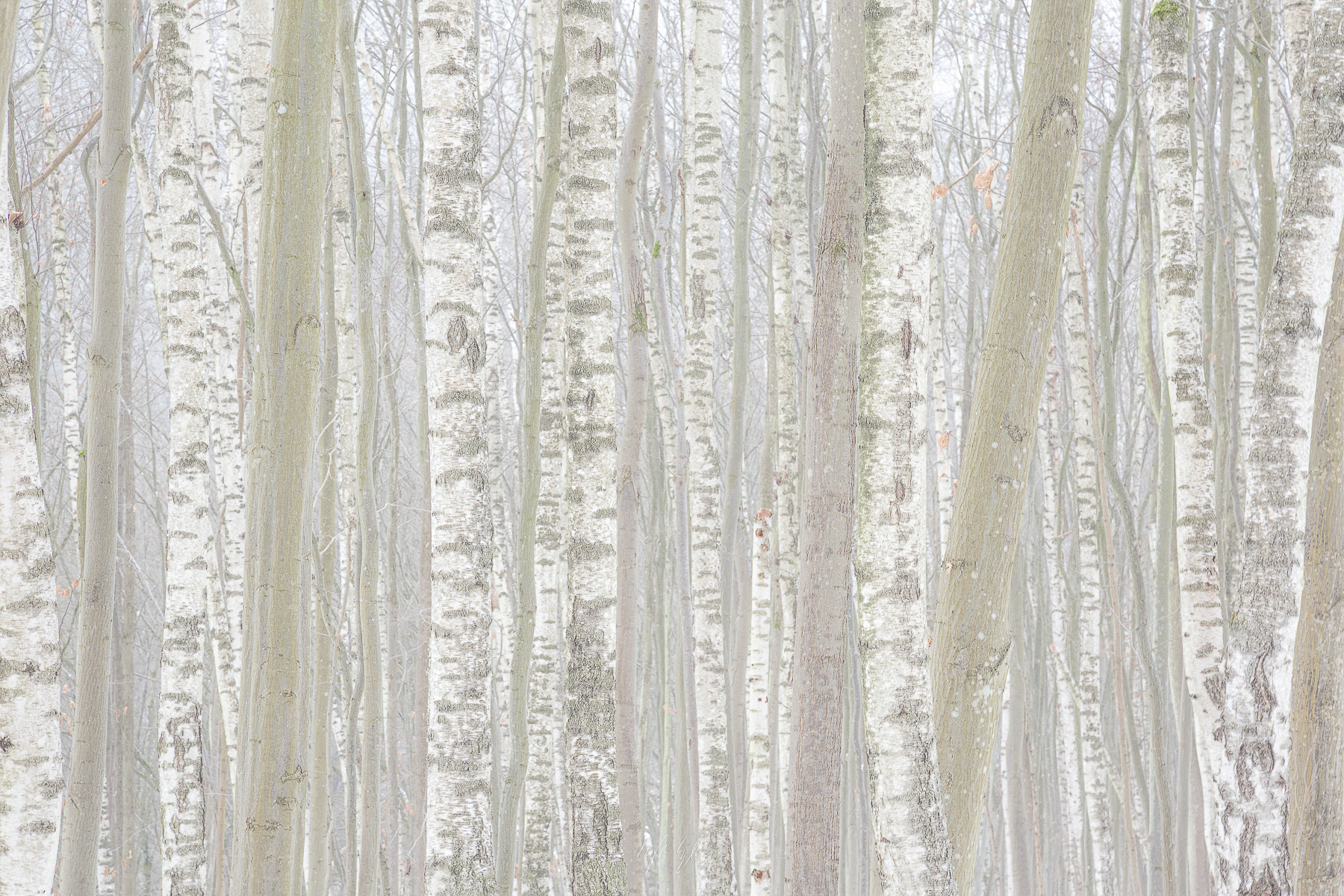
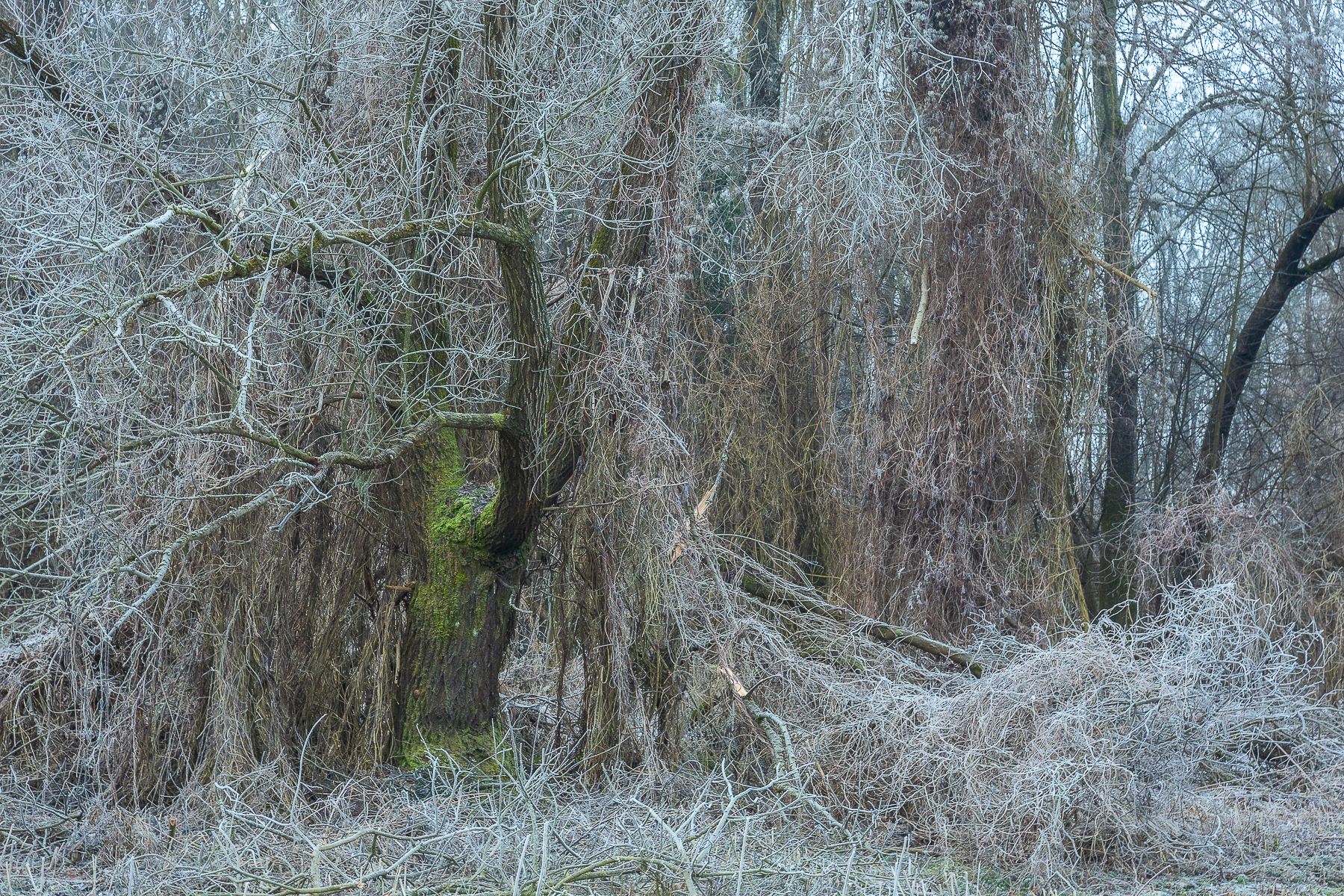
Sceneries I got more and more attracted to during the last couple of years, are the often unappreciated rather bald trees and forests. Leafless trees offer an intimate view to their structures and shapes and into a mostly hidden world made of fragility. And much more they also provide an insight into these extremely complex organic collectives of connected individuals depending on each other. And that’s also how we urgently need to see the forests on this planet.
Beside that, these subjects and, in fact, also trees with particular interesting foliage, which you’ll also find here, can create very photographically appealing patterns and lines, which are worth a closer look. Since settings like these can be found in very different areas, I rather run into them by accident and during quite different occasions. Take a look at the gallery of Treentimacy and enjoy the fantastic atmospheres and ambiences these creatures create.
Liquid Souls
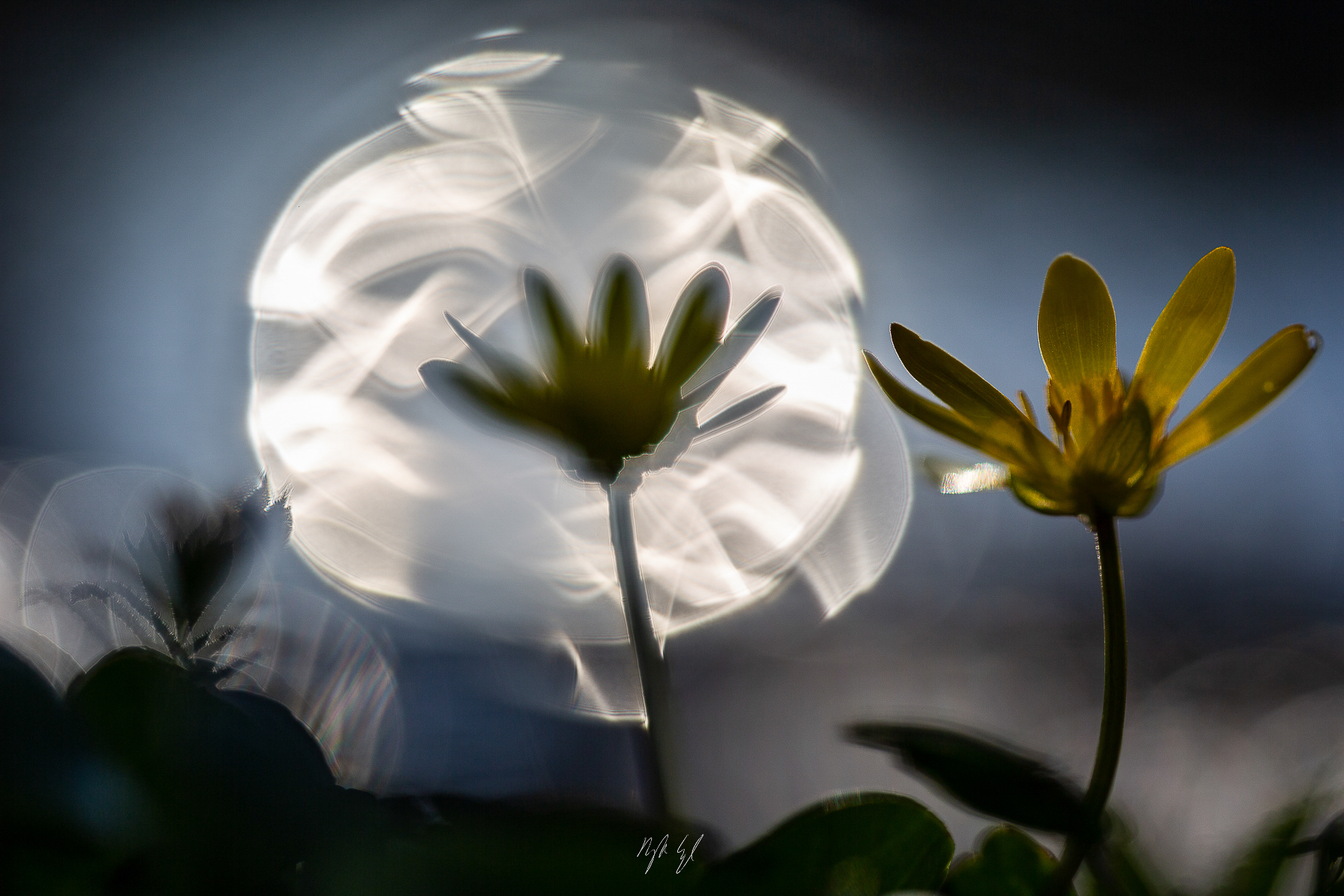
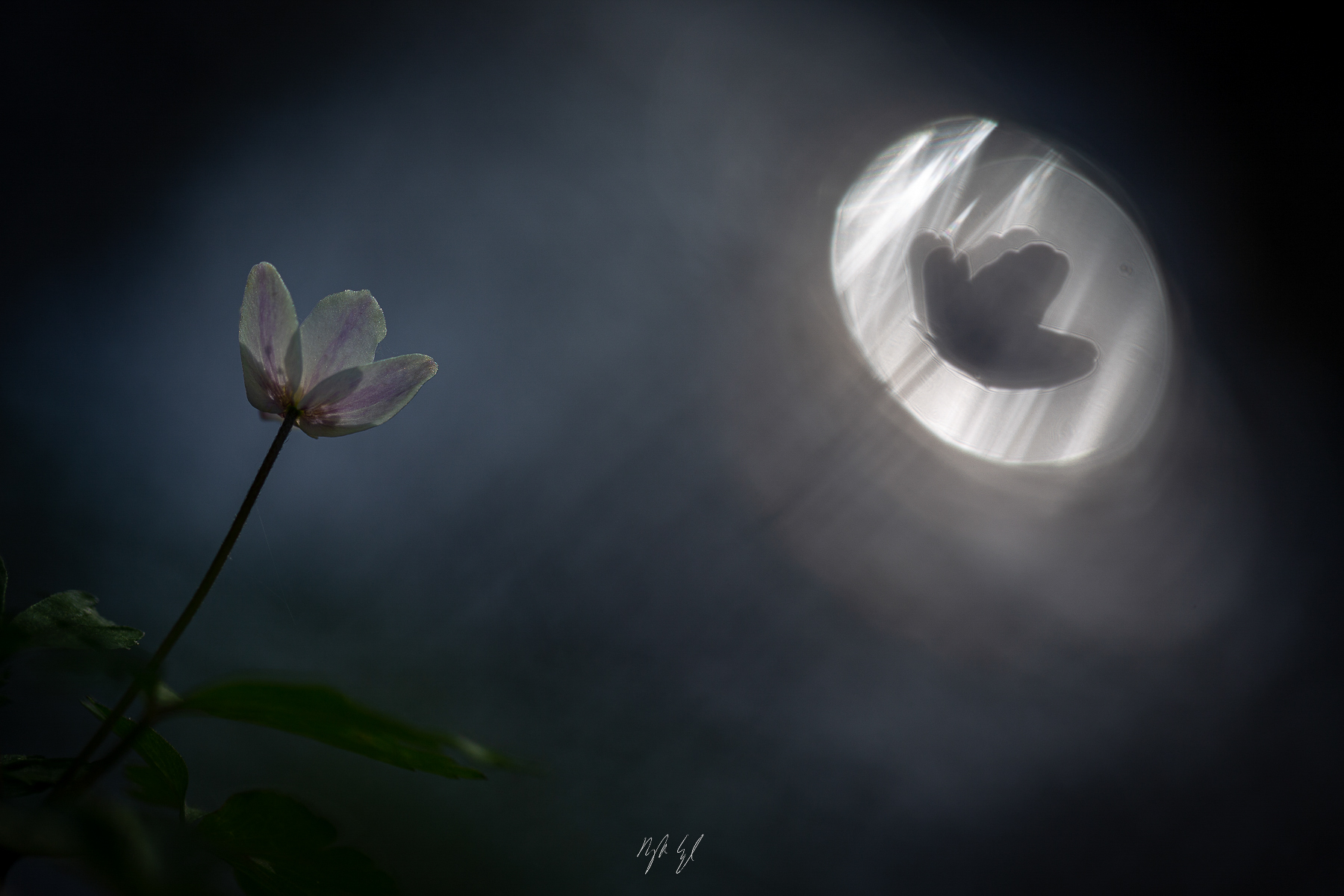
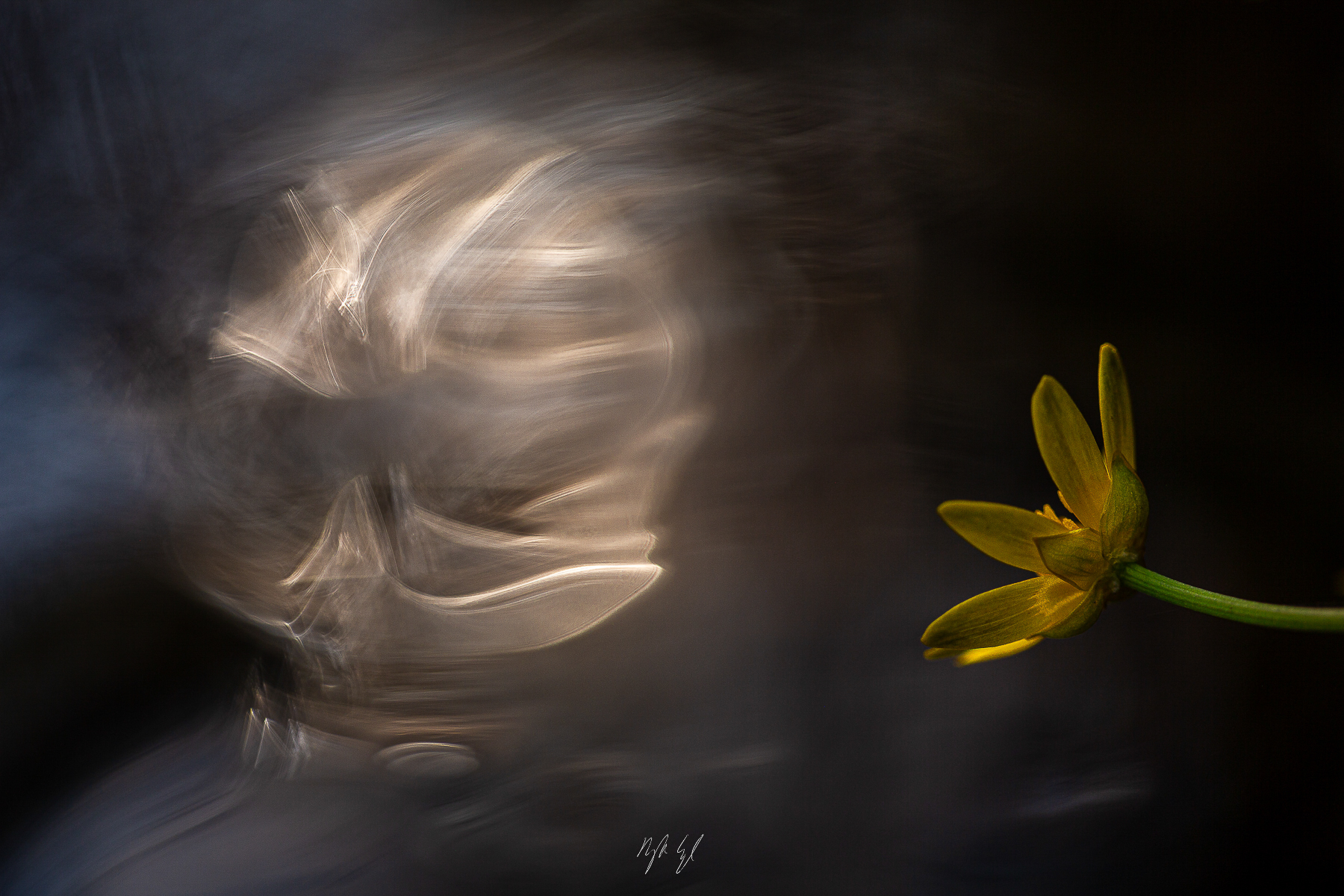
Similar to Treentimacy this one is also about plants and fragility, but with quite a different approach. Liquid Souls consists of flowers and completely natural reflection phenomenons which are different to the well known classic bokeh dots. Back in 2017 I discovered the photographically potential of reflections like these for the first time as I witnessed it just once and I only took about ten pictures of it in that particular spring. Actually first I thought, I was just lucky to be able to capture these reflections and so I didn’t think, I would find a scenery like this again. But in the end I spent many hours looking for something similar and finally I could observe and photograph it way more extensive. Now I know what elements have to come together, that it occurs and so I’ve got the chance to „reproduce“ it.
By capturing the fragile and fairy-like reflections I’d like to emphasize the fragility of the little flowers and in the end of the entire natural world itself. As you will notice, the images of this project show almost without any exception pileworts. Although the first time I took an image like this, I captured two wood anemones, pileworts are much more suitable for this purpose, because they can be found much closer to the waters. And by the way, these kind of photographs are a good opportunity to go out shooting also during harsh light at noon. As all my images, also the ones displayed in the gallery of Liquid Souls are only single exposures made without the use of any special technique, artificial light or artificial shadow. And of course, there’s no image or scene manipulation.
Aquatic Artists
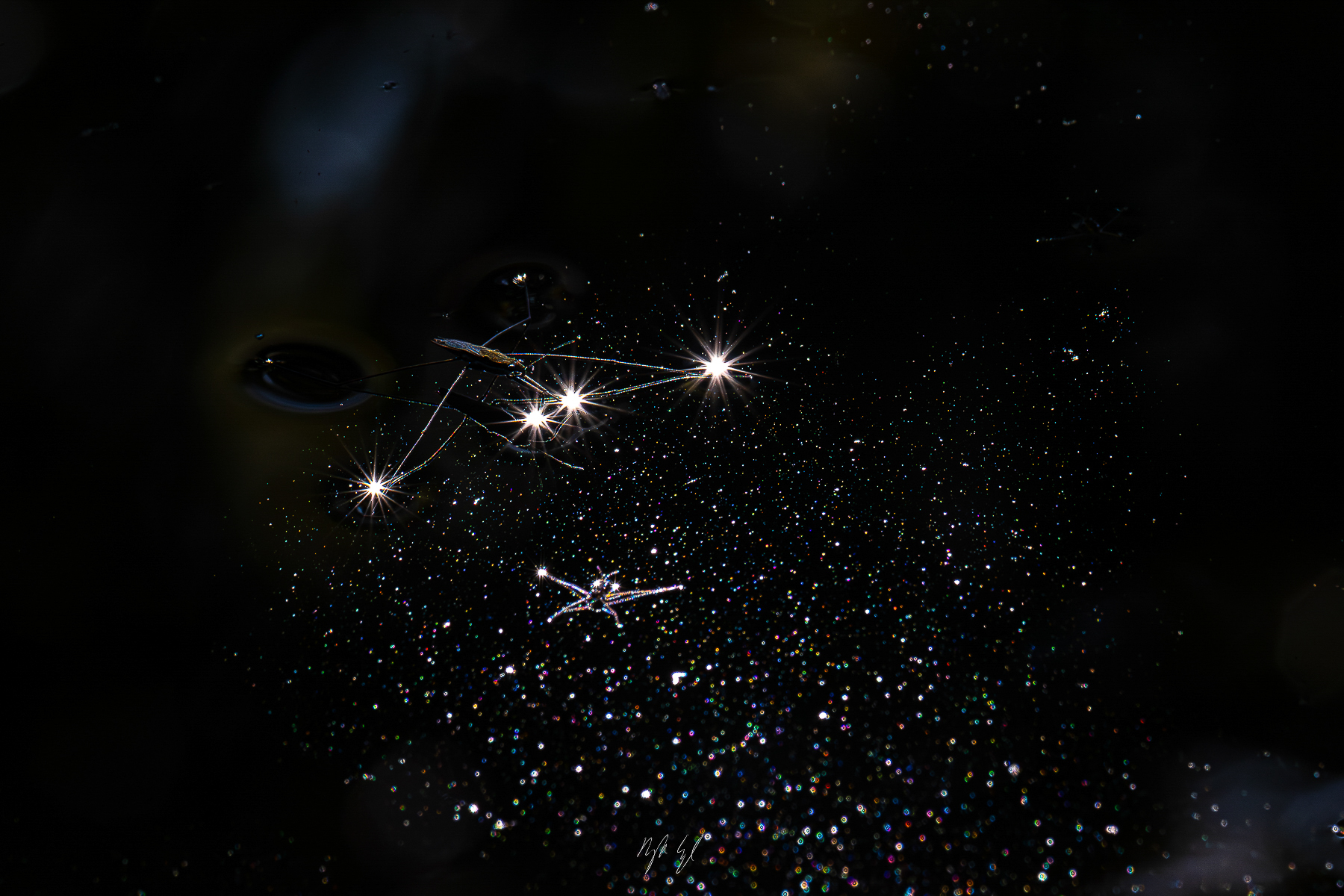
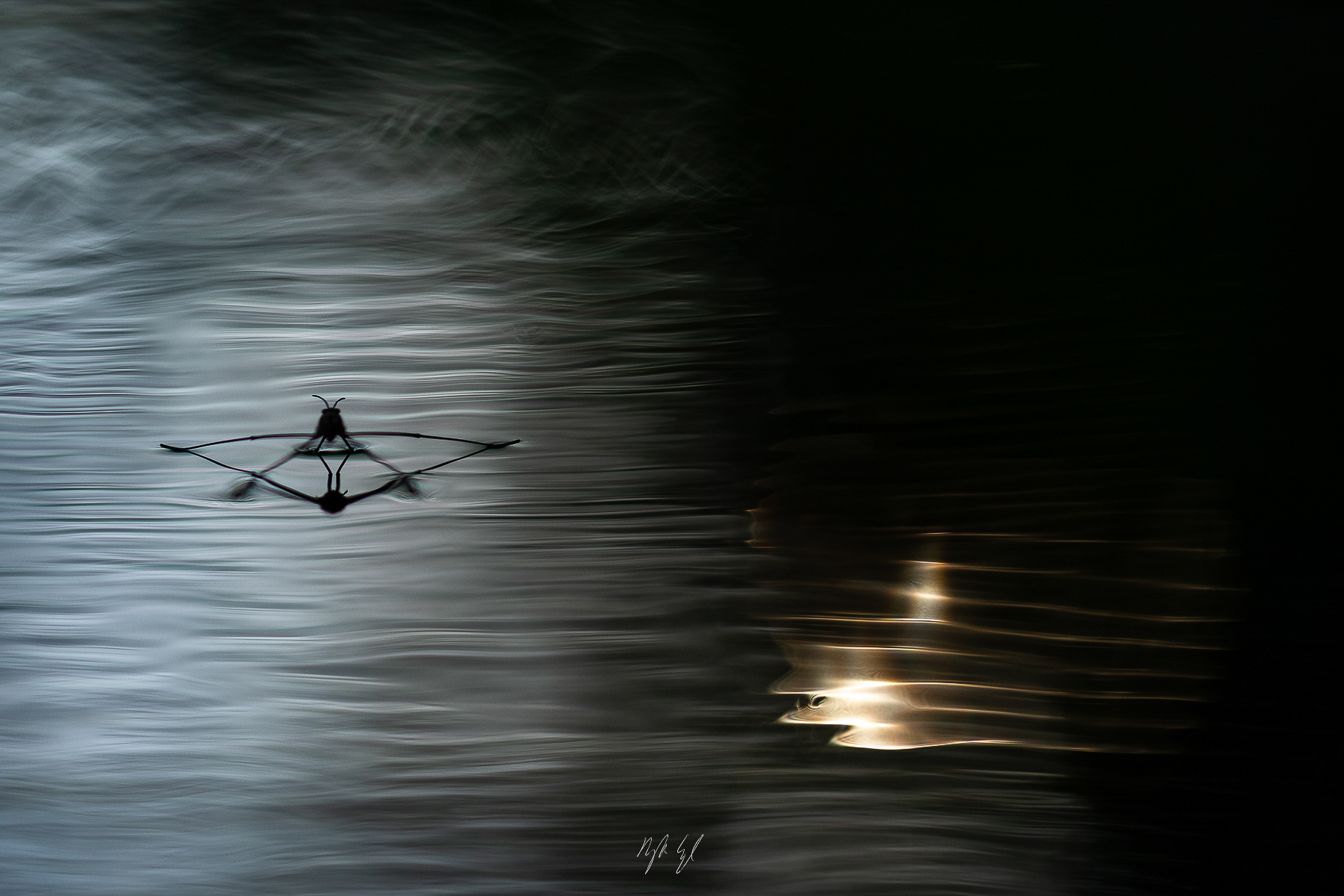
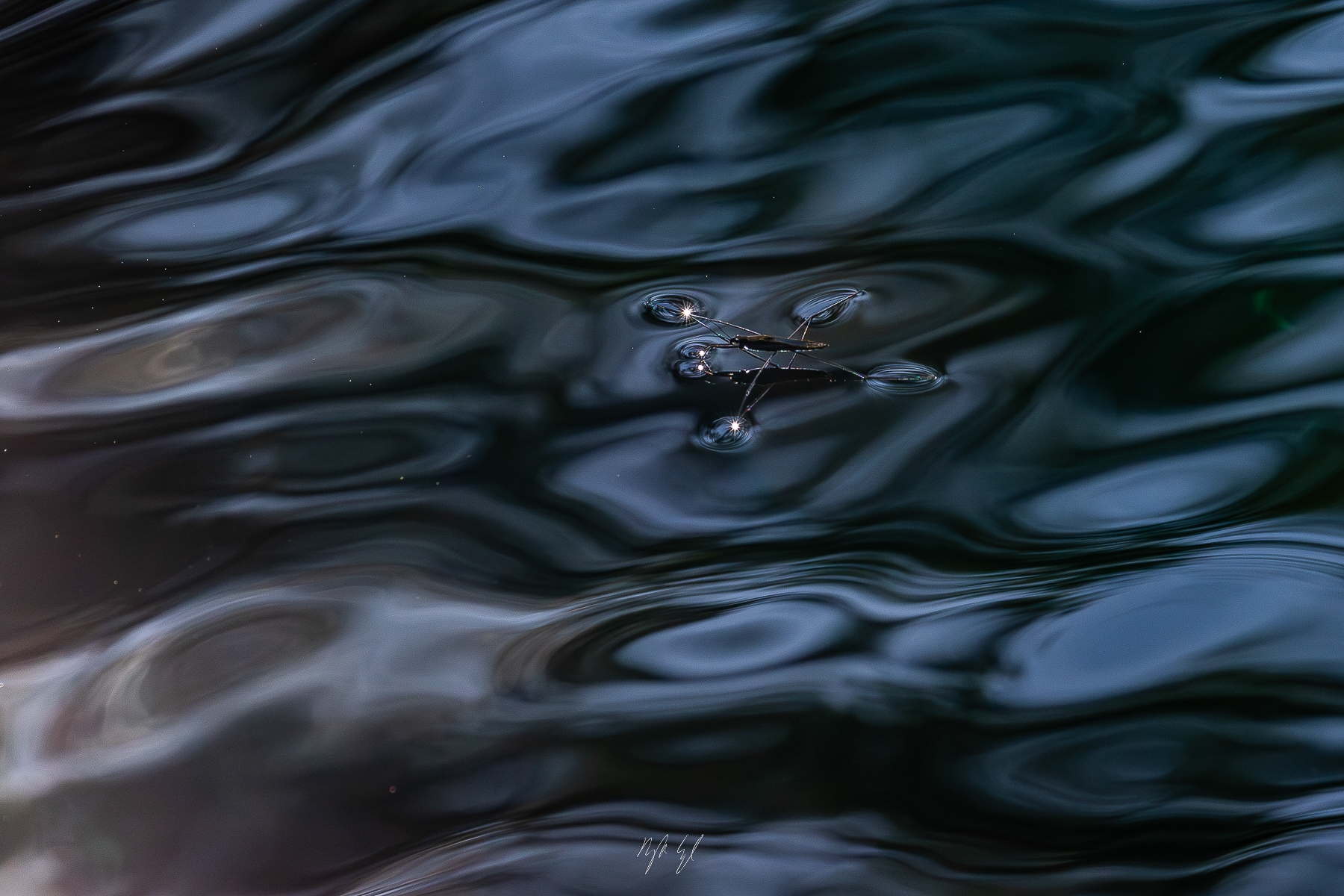
I’m already fascinated by the tiny water deformations water striders create with their legs for quite some time, just because these deformations can cause mesmerizing reflections. But beside that, also the different surfaces of waters can be very fascinating, depending on the current movement, light conditions and your point of view. When all the conditions and these tiny animals merge into an appealing setting, interesting images can be the results.
Similar to all my images, these shots you’ll find in the gallery of Acquatic Artists, are also taken without the use of any artificial light, flash or special technique, of course. For me it’s important to work with the natural light, because in my opinion it’s also part of the natural scenery I would like to capture in an authentic way. So, if you take a walk along a stream or river, take some time to pay attention to all these small insects and reflections on the surfaces, they live on.
Austrian National Parks
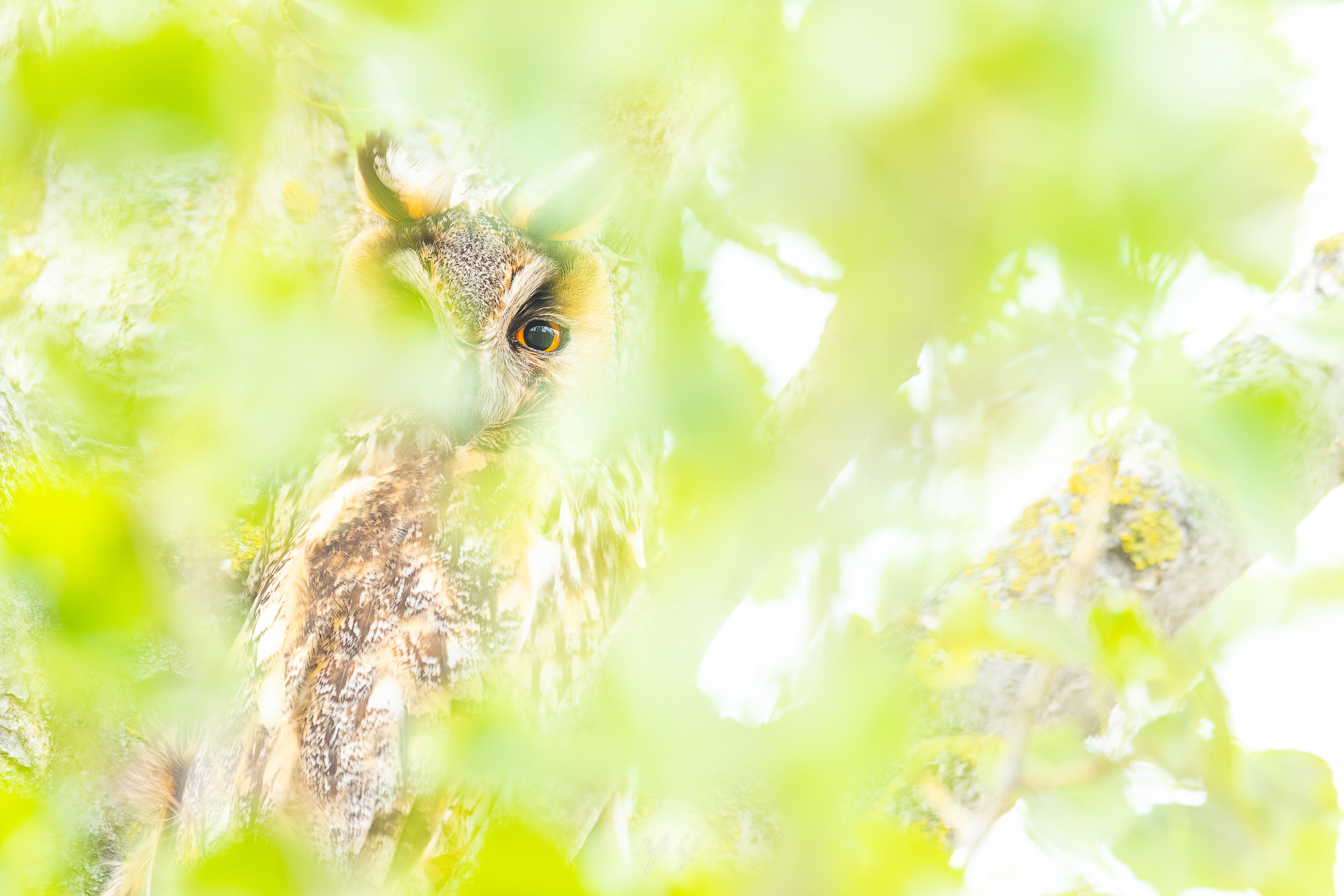
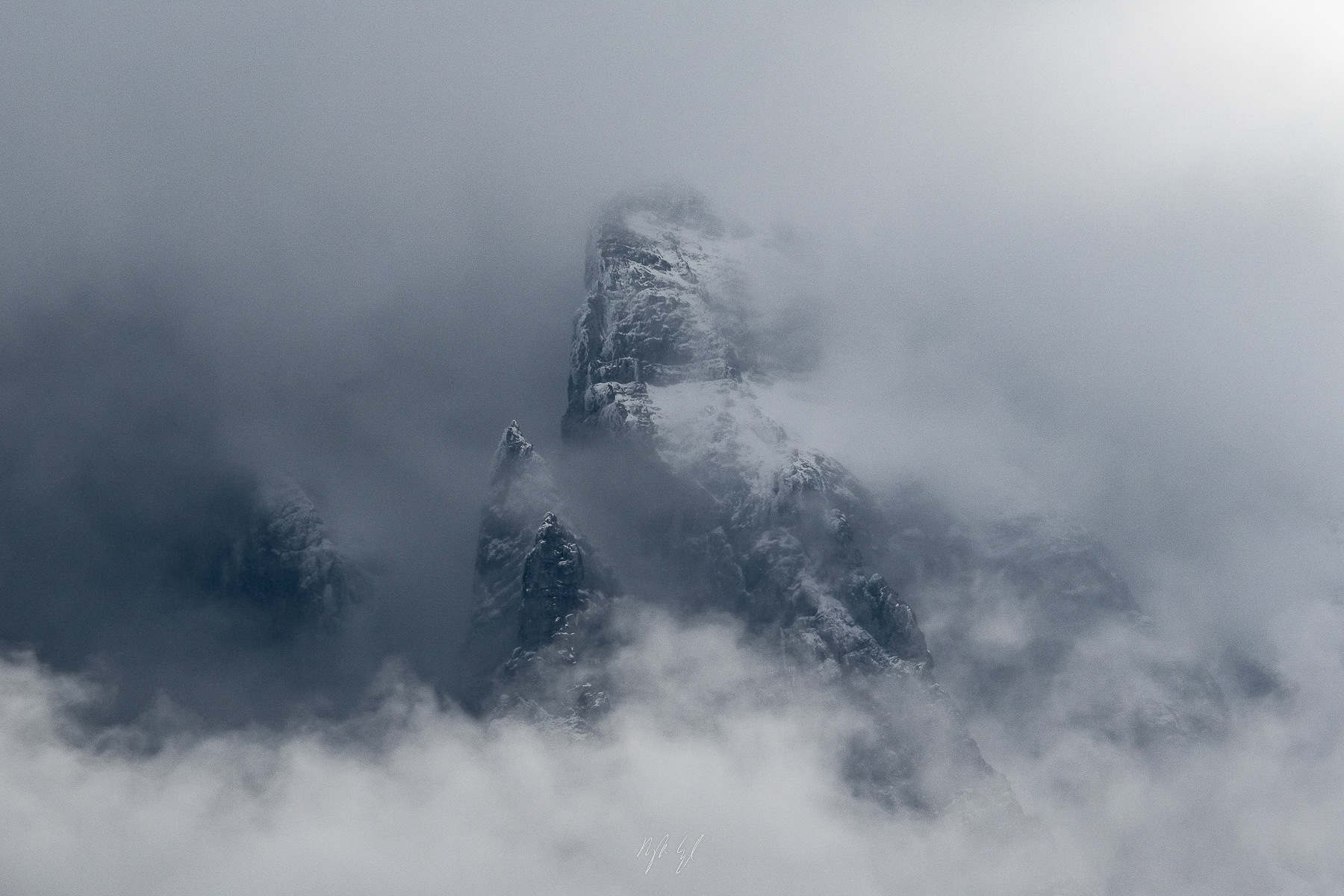
My homeland of Austria might not be know for visionary environment protection measures and initiatives. For example when it comes to large predators, like lynxes, wolves or bears, or regarding wild forest lands and unaffected waters, I quite often feel like living in a pretty unprogressive state. But, nevertheless Austria is also home to six national parks, which are all approved by the IUCN. These sanctuaries harbor most of this country’s natural gems, species, valuable ecosystems and crucial habitats.
And so the national parks are among my favorites locations over here to go out and explore all the treasures these lands offer, since I started taking pictures. Today I have a rather huge archive with pictures, I took in these areas and so also the gallery of Austrian National Parks on this website is very extensive and mixed up. If you’d like to get much more details on the parks, I recommend to have a look at the website of National Parks Austria, the association, that covers all six national parks.
Temporary Textures
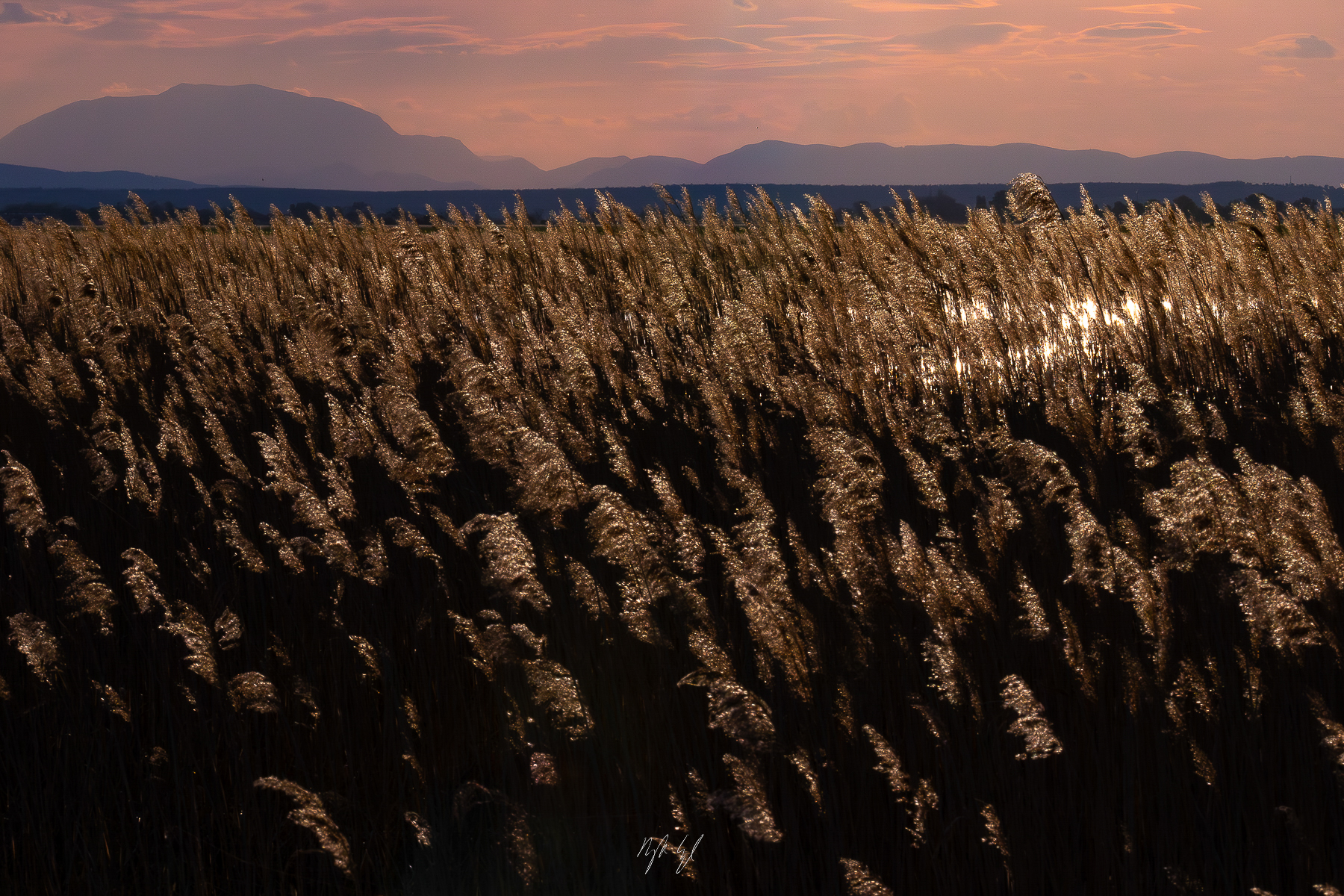
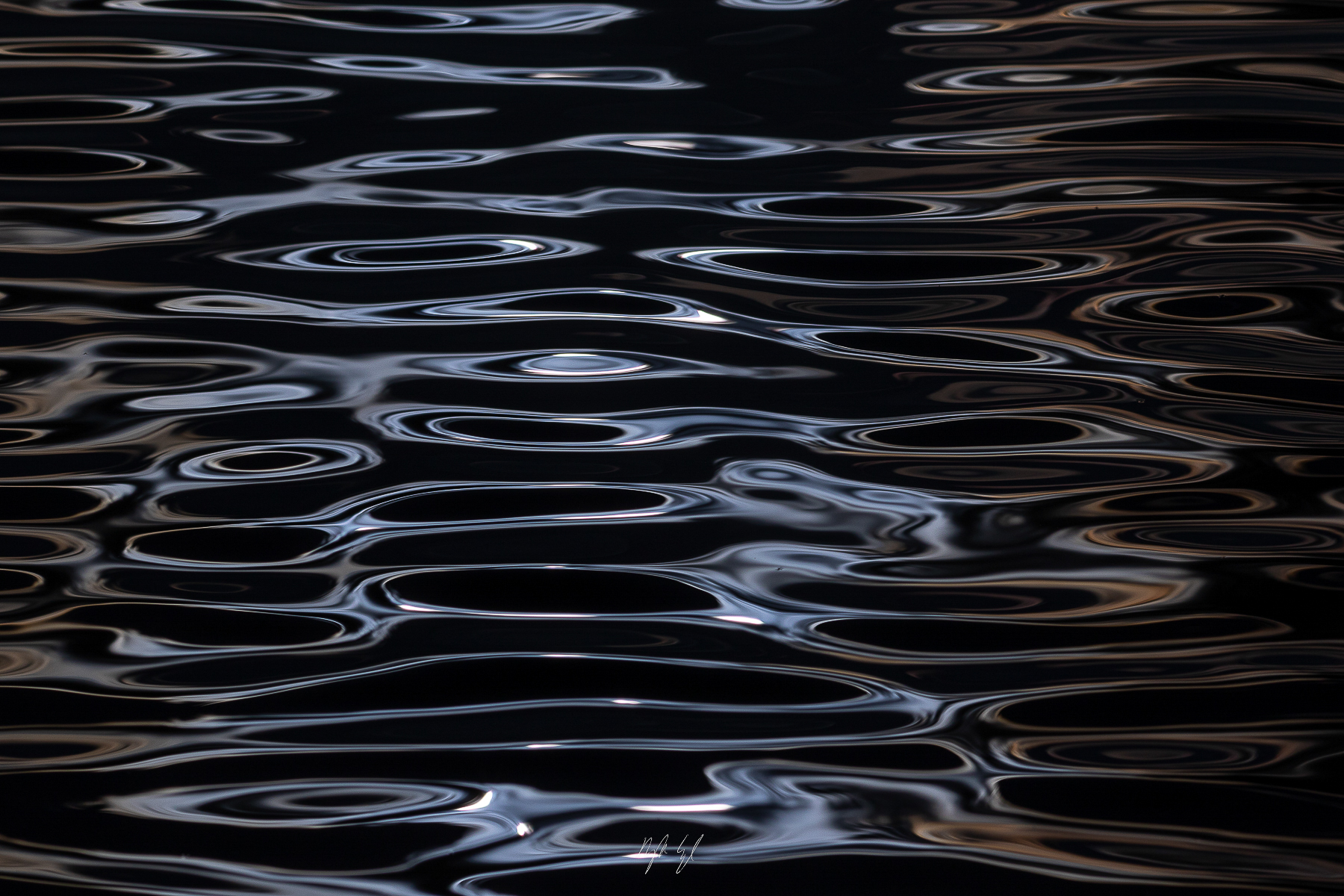
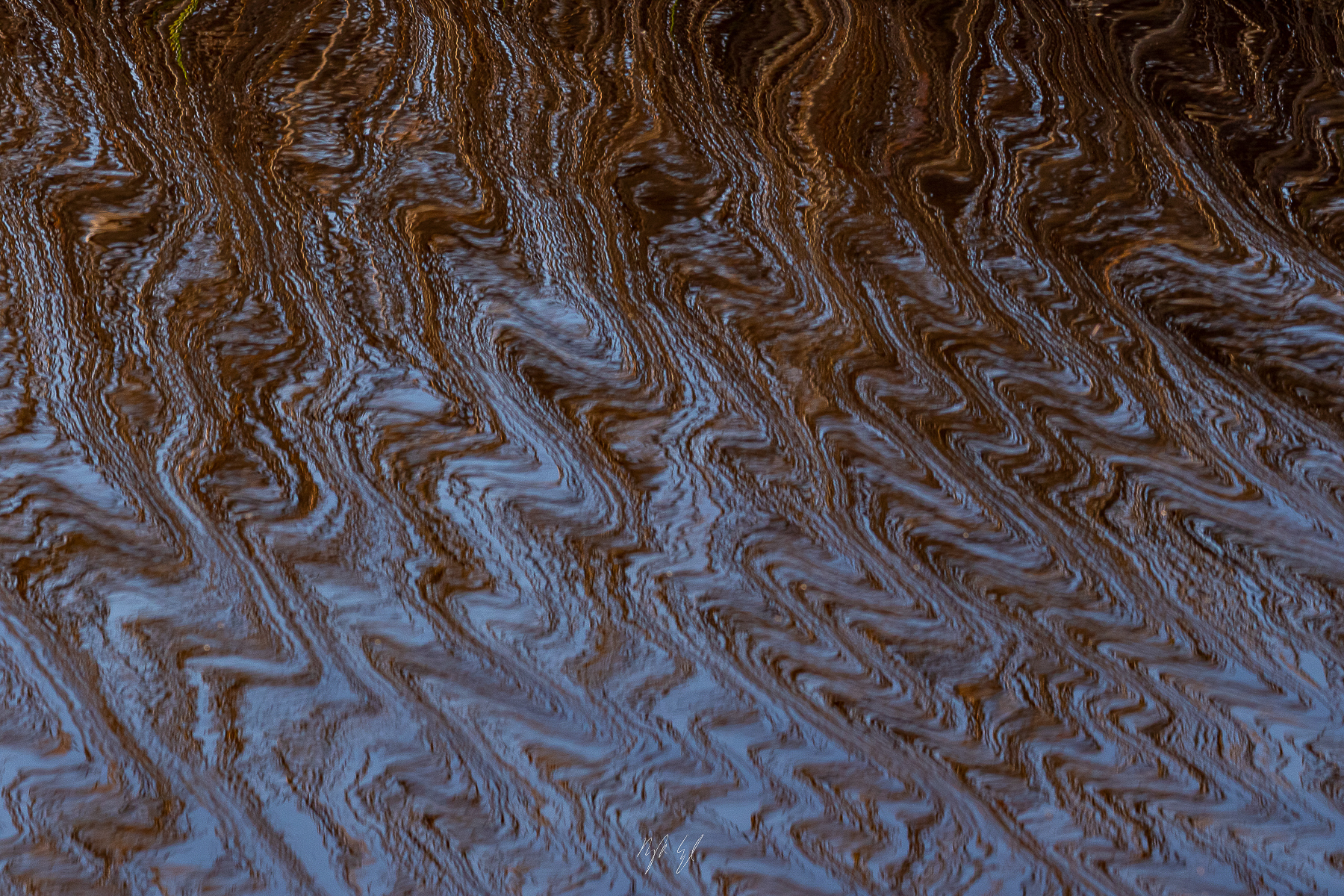
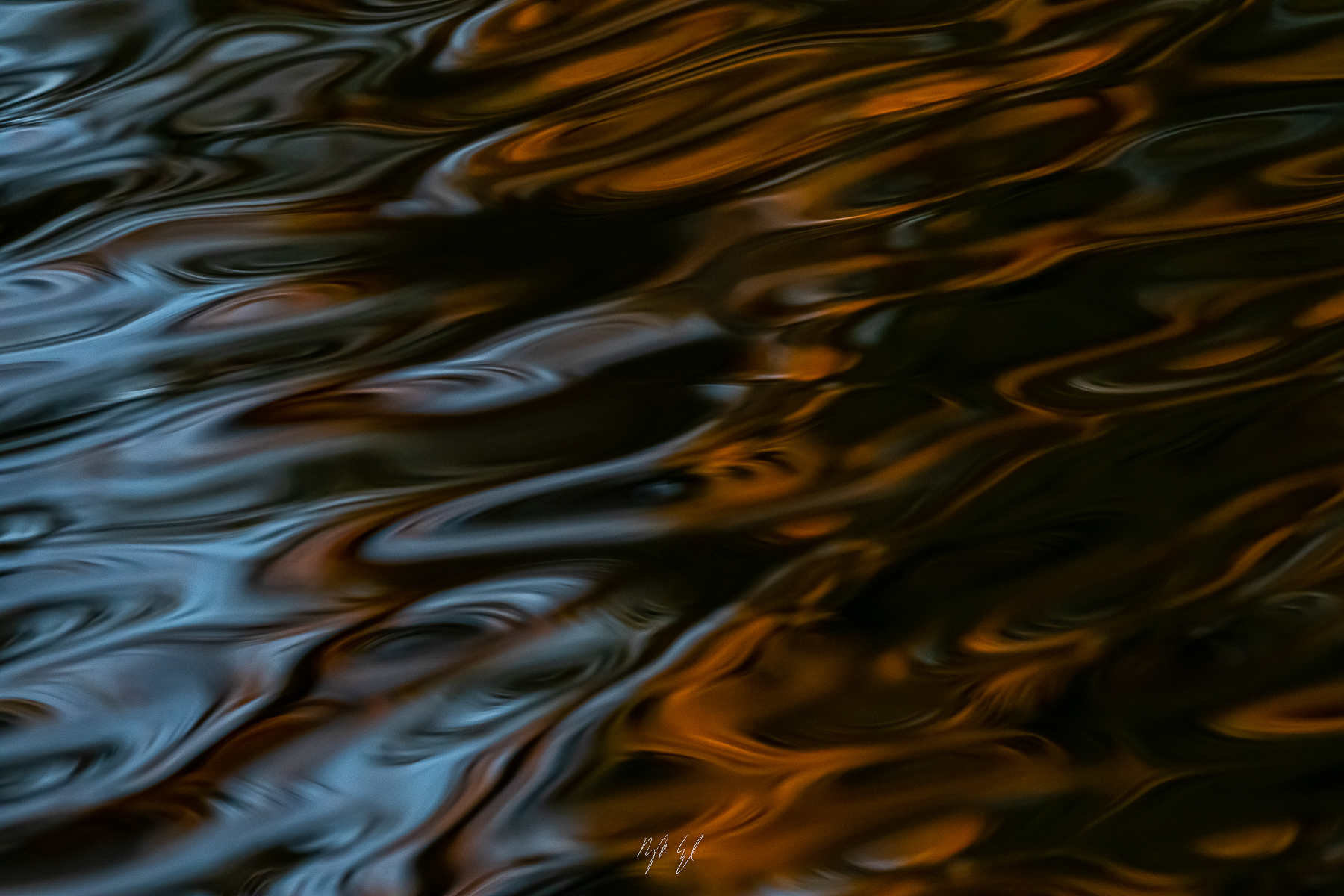
All the different stunning reflections, which can occur on water surfaces are super mesmerizing to me. And so I’m paying more and more attention to them. Especially since these sceneries are actually something totally common and can be found in such a wide range of natural settings. All you need are a moving water, surrounding elements which reflect on the liquid surface and some interesting sunlight.
It’s definitely worth to risk some closer looks to the waters, because such displays can provide super fascinating little experiences along the way. I recommend to focus on pretty small parts of the surfaces and not do expect the entire lake to look like this. Of course also the gallery of Temporary Textures doesn’t contain images, which show man made elements, artificial light or fancy exposure techniques.
Habitats
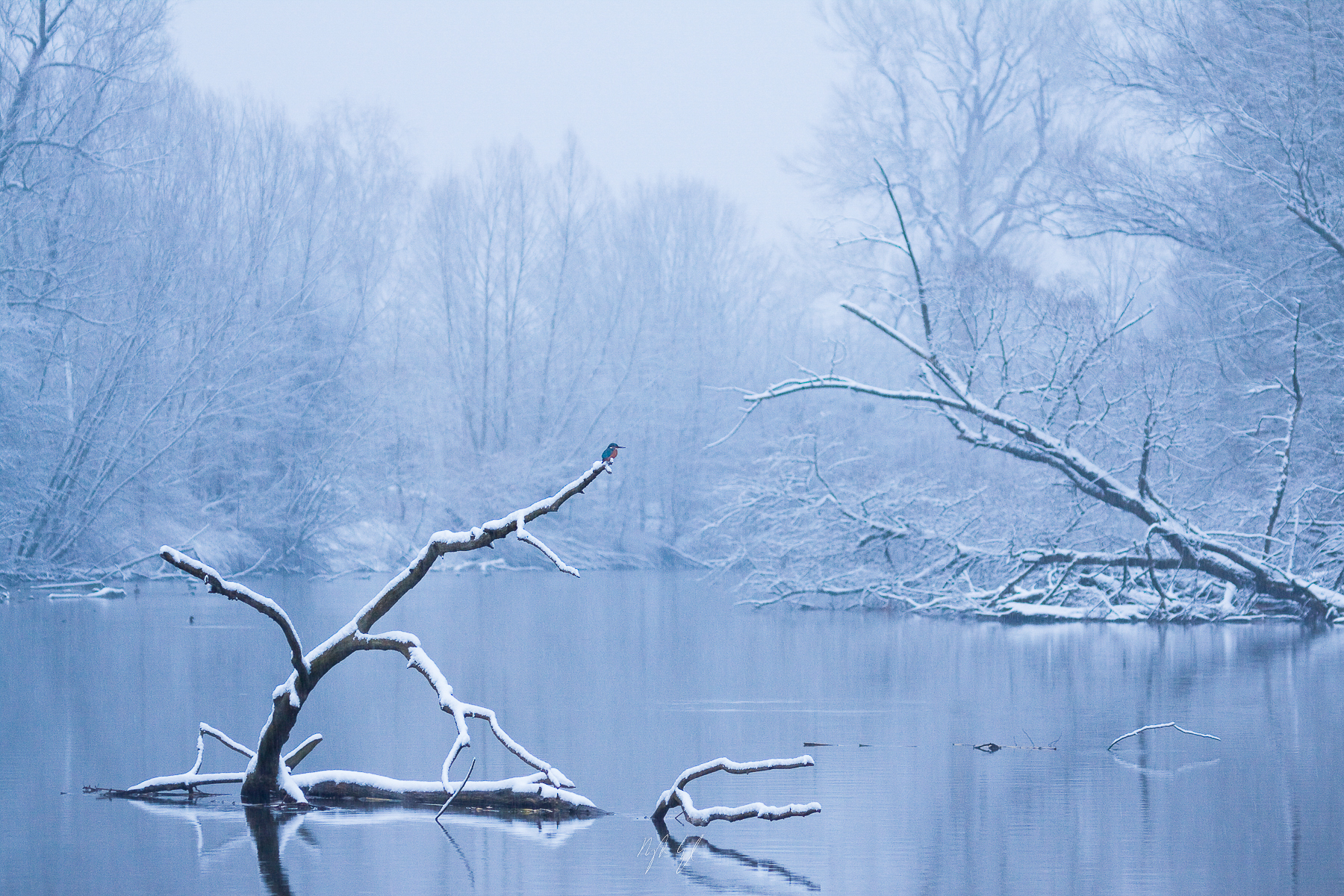
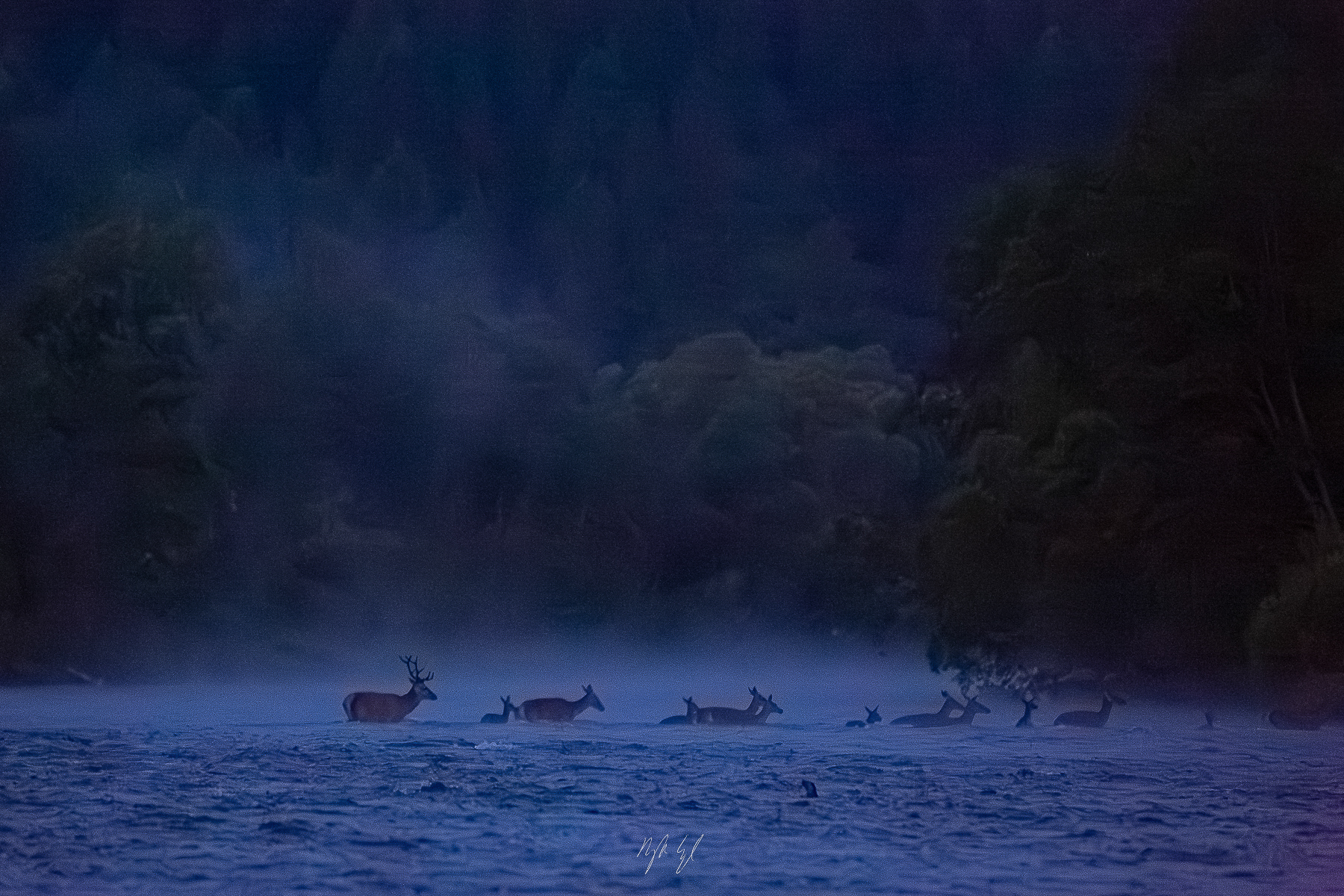
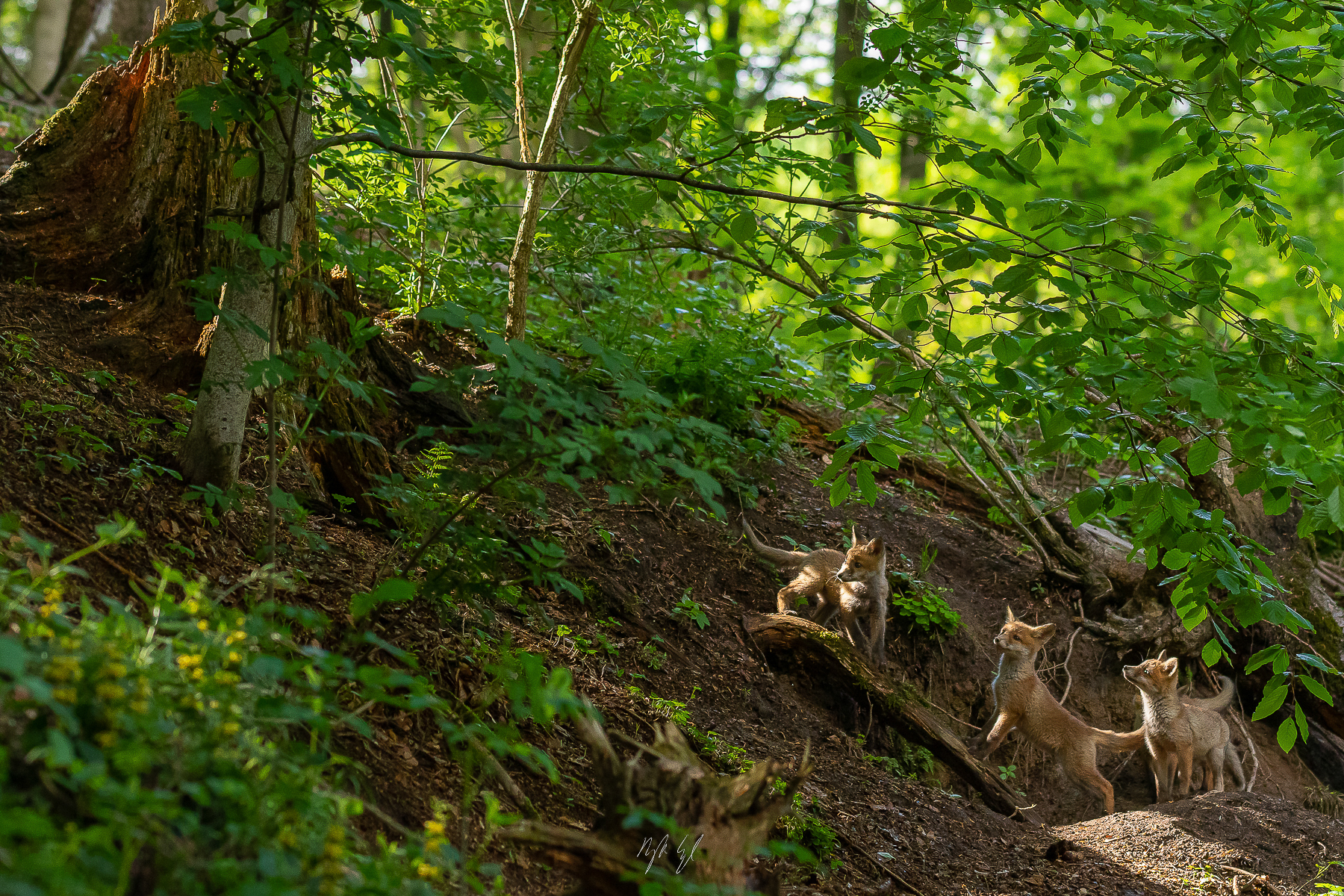
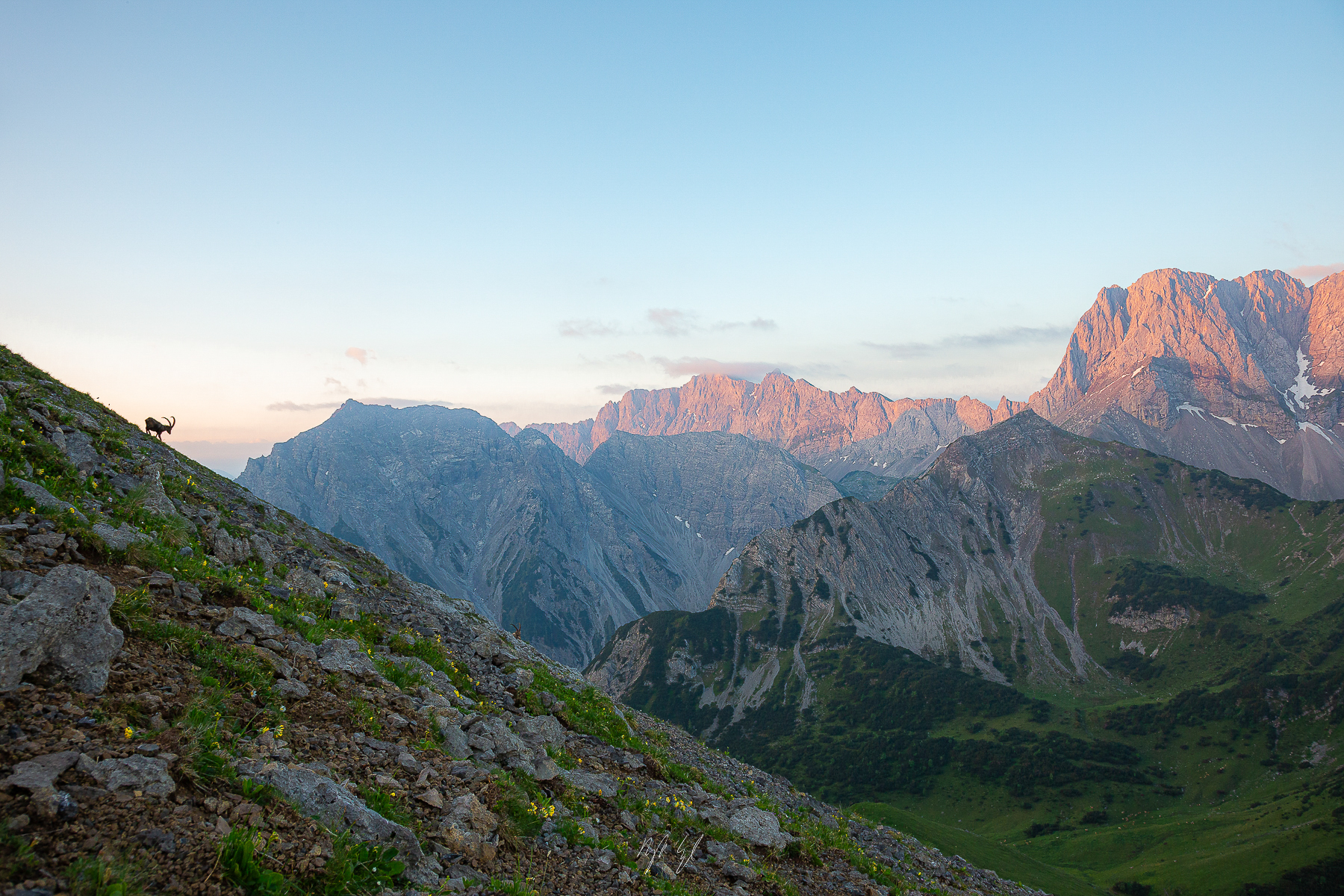
I guess, on of the biggest photographic challenges, but also the one of the most rewarding approaches, is the attempt to create a visual implementation of the human ability to both notice details and to observe the entire scenery at the same time. Such photographs are more capable to pay justice to the real setting and they’re also the better way to a more enriching experience when they’re taken. So also when I capture wildlife, I often try to show it in this way. In small scale and with lots of their mostly also very beautiful and impressing habitat.
Of course, actually almost every wildlife image shows the animals in their habitat, but when I’m working on these series I always pay extremely close attention to the environment and the composition in which I try to display the surroundings and the bigger setting. I’m aware, that the gallery of this project is huge and the scales of the animals are often super tiny. So you’re invited to look closely in the gallery of Habitats, actually like I recommend to do, when you’re actually out there, and embrace the beauty of the environments the animals depend on.
Silhouettes of Grace
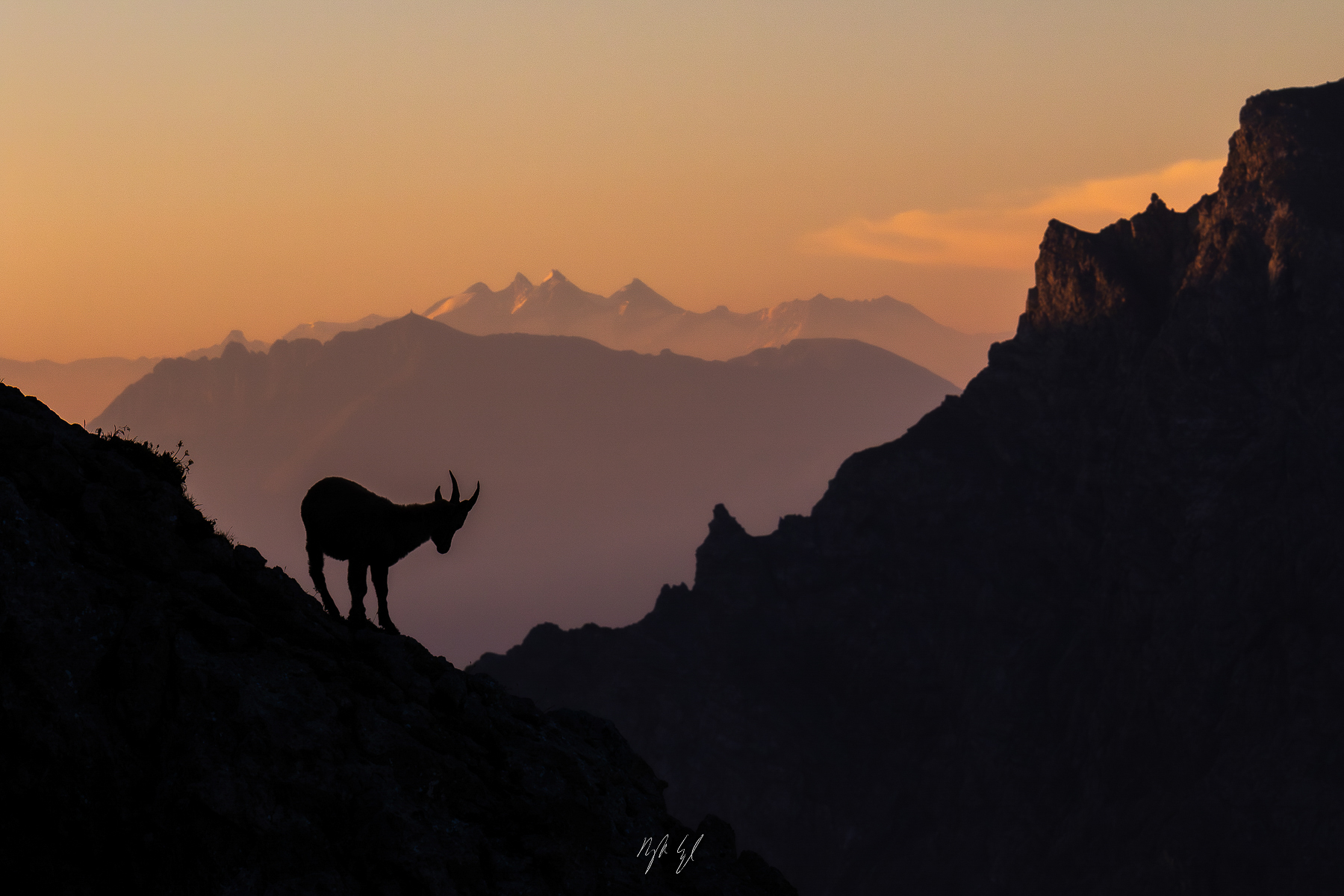
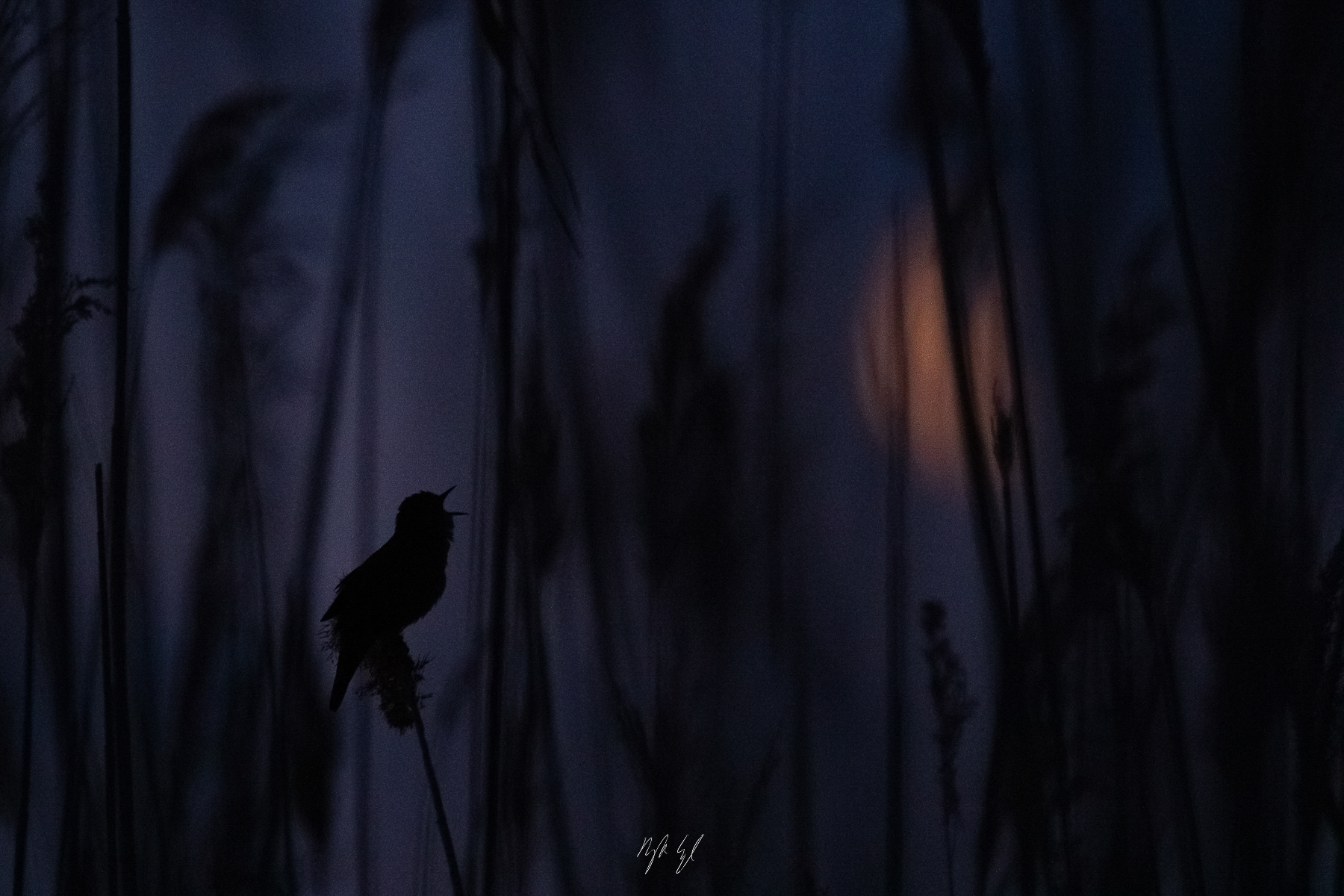
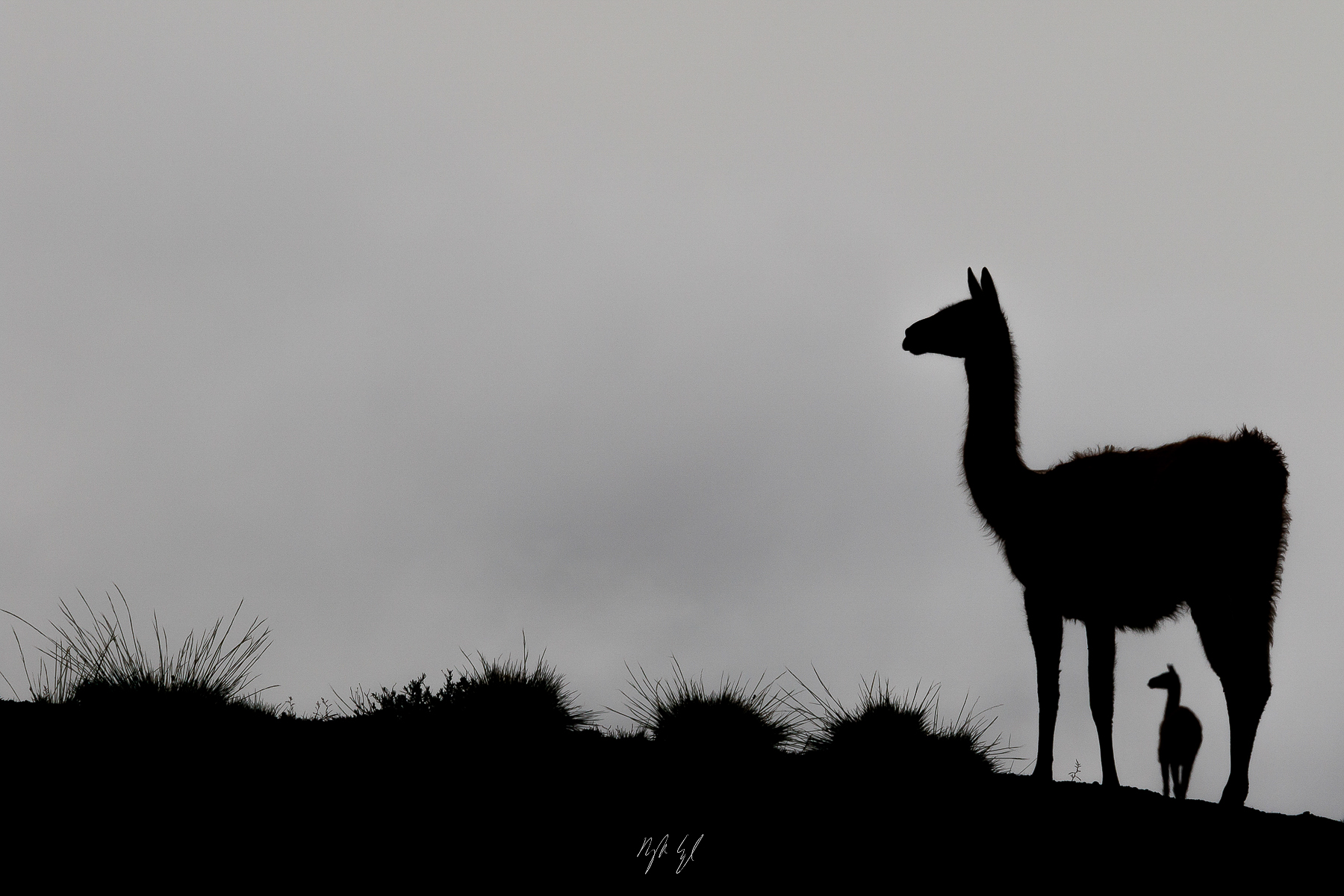
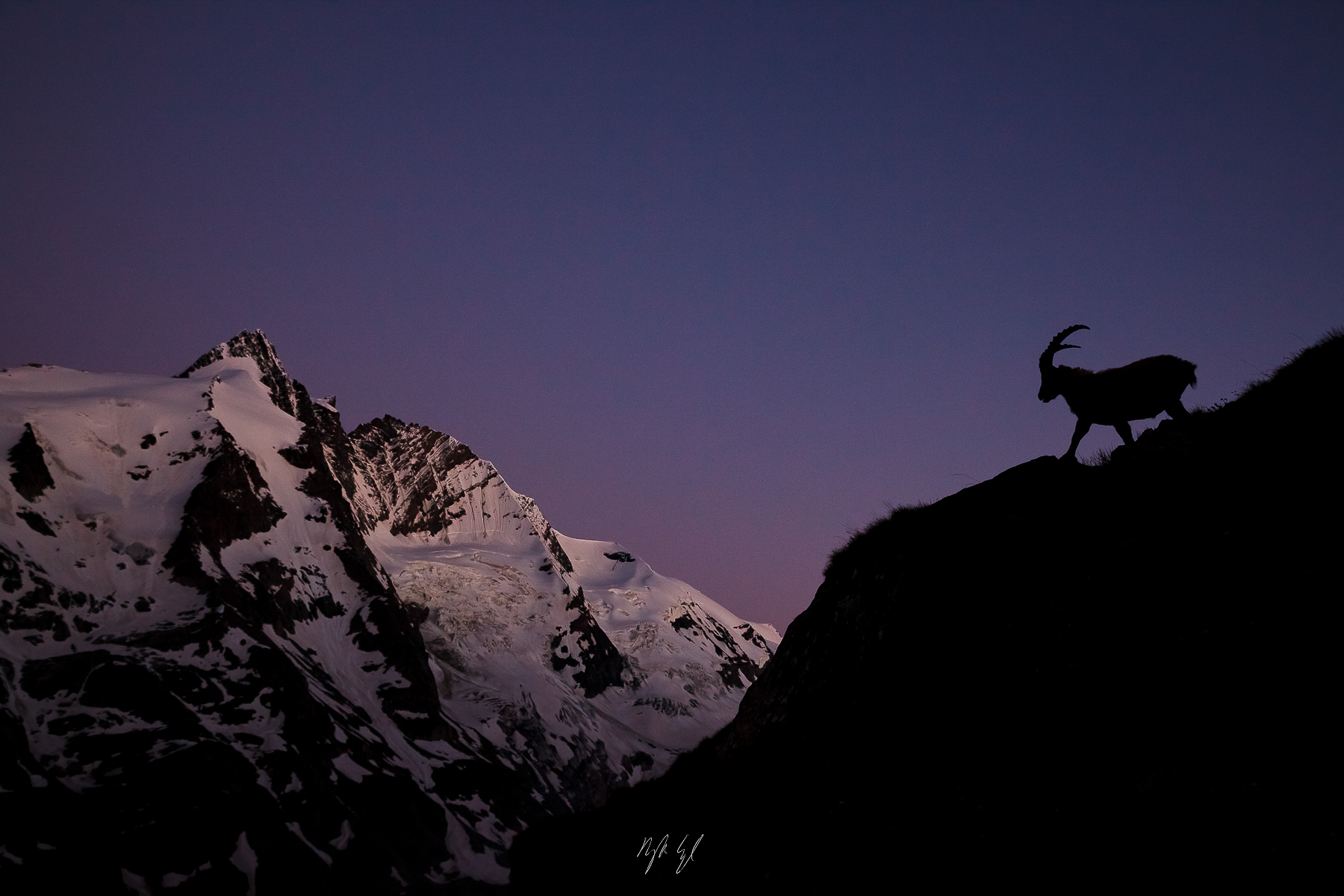
There are a few interesting things about silhouette images. They reduce the main subject to its shape and so they offer more space for the atmosphere. They only work, when the subject and the photographer are well aligned and when the subject has an appealing and unmistakable shape and of course they require a high contrast between the subject and its background. They can be beneficial, because they avoid issues of too high dynamic ranges and they can cover unwanted elements.
But beside all these facts, they can just look lovely, intense and sometimes spectacular and might be a welcome change to classic documentary style images. You will find mainly wildlife pictures in the gallery of Silhouettes of Grace, but also a few images of other subjects. Similar to Habitats, also some of these photographs show the main subject in a very small scale and demand a pretty close look and a larger screen for a proper experience.
Kingdom of Dignity
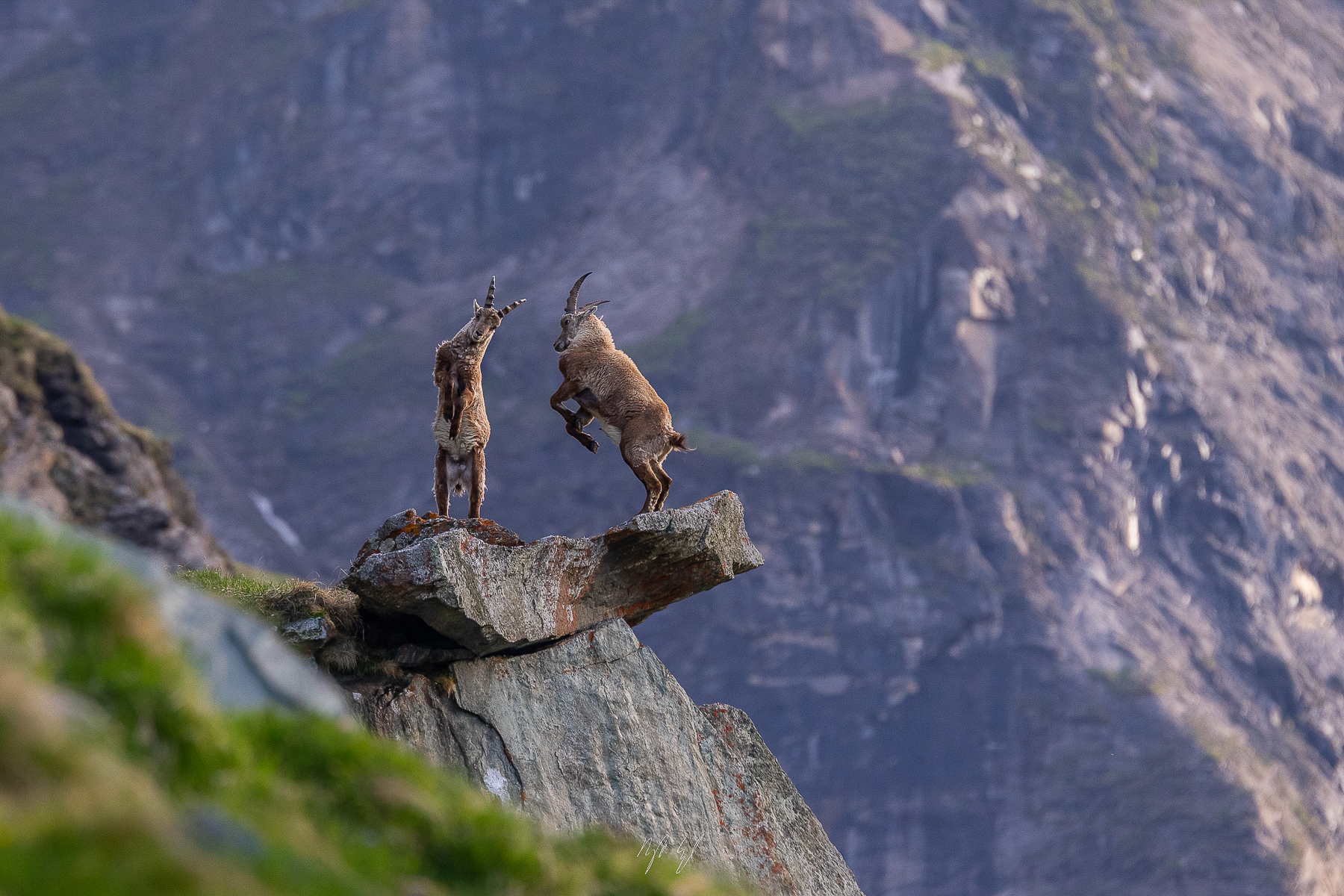
Long before I could finally manage to spot my first alpine ibex, I was actually thinking much about photographing them in the wild for long time. In the end, I took my first ibex picture already back in 2014 up in the mountains of Carinthia. Alpine ibexes have almost been completely extinct in Europe by the beginning of the 19th century. As actually often, also these animals were believed to possess miraculous powers and particular body parts were believed to enhance potency. Only about 100 individuals survived in Italy’s Gran Paradiso National Park. In 1924 the rewilding of these mammals in Austria started and today there are about 5,000 alpine ibexes in Austria, most of them in the areas of the Hohe Tauern National Park.
Since especially the elderly and imposing males are rather relaxed animals and since they live in a pretty impressive environment, which are very inviting facts for short lens images, this series is also the origin of Habitats. And since the ibexes can make very appealing silhouettes it’s also the origin of Silhouettes of Grace. So, if you’ve already seen the galleries of Habitats and Silhouettes of Grace, you’ll recognize quite a few images. I certainly had some of my most enriching wildlife moments and animal encounters up in these mountains among those peaceful creatures. The gallery of Kingdom of Dignity also contains a bigger amount of images, so take your time to have a look.

Entire photographic work, screen design & content by Rupert Kogler © 2026. All rights reserved worldwide.